
Search
Wellness program supports clergy in changing times
-
 July 10, 2026By DAWN PROSSER
Director of Communications
In seven years’ time, the Diocese of Sioux City has gone from 48 active priests serving 86,000 Catholics in 2019 to 34 active priests serving 88,000 Catholics today.
Amy Bloch, executive director of Catholic Charities, pointed out that stretching diocesan clergy thin can be a cause for stress for the priests as their ministry responsibilities grow.
“You used to have rectories that were full of priests and they would spend time together and do things together. And now most rectories have one in our rural parishes and they are alone a lot,” she said. “Being alone doesn’t mean loneliness, but when you’re alone a lot and you’re tired from your busyness of your day it can be challenging for sure.”
Some of the younger priests looking at this trend of fewer priests to serve the faithful asked for help to prepare for the changing landscape of ministry in the diocese. This concern resulted in the current Clergy Wellness program.
“Our program was born from younger priests voicing a concern (asking) what are we doing to prepare them or assist them for the long run with changes in the diocese of diminished number of priests in active ministry covering larger parishes and other stresses and challenges related to the ministry,” explained Deacon Mark Prosser, Bishop John E. Keehner’s chief of staff.
Collaborating with Catholic Charities, the diocese created the wellness program four years ago with another round of sessions to begin in September. Deacon Prosser said the program was designed for priests in active ministry to provide an afternoon of confidential conversation with Catholic Charities therapists. He said Bishop (now Emeritus) Walker Nickless suggested to add a fraternal component to the sessions. “So now on a regular basis, we provide this programming accompanied with dinner and social time for the priests. The diocese even provides a hotel room for those who may have to travel distances or just need a night away,” the deacon said, noting the sessions are held in Storm Lake at King’s Pointe Resort.
The priests’ conversations with Catholic Charities therapists are held without the bishop present. Bishop Nickless would join the priests only for the dinner and social and now Bishop Keehner does the same.
Organizers and the priests soon realized that the concerns and needs of priests can differ, depending upon age and length of service in ministry.
“So, we split the group in half where they have more similarities in their stresses and experiences,” Deacon Prosser said, noting one group is priests 50 years old and younger and the other are 51 and older. “They meet three times a year in each group.”
The two said once the program started, the diocesan retired priests asked for a similar wellness session, which was added a year later.
“This year we’re doing two sessions for the retired priests,” Bloch said, adding that the retired priests asked for the additional session. “They enjoy it. They enjoy getting together and they wanted to be together more.”
The majority of priests in active ministry attend, Prosser said, adding that attendance is voluntary and there is not pressure to attend.
“We want the people who want to be there, want to participate and want to share so that everybody can learn from that. It’s a conversation that has been and will remain confidential between them and those who facilitate the meeting,” he said.
Fraternity
Feedback from the priests regarding the program has been “extremely positive” overall, Bloch said.
“Our clergy wellness group meetings are an important source of support, encouragement and fraternity. They provide a safe and confidential setting where priests can share the joys and challenges of ministry with others who understand their experiences and there are many,” noted Father Tim Pick, pastor of Most Holy Name of Mary Parish in Remsen and administrator of Holy Name in Marcus.
In addition to the topical discussions with the therapist, the priests frequently share their appreciation for the opportunity to gather and talk with their brother priests.
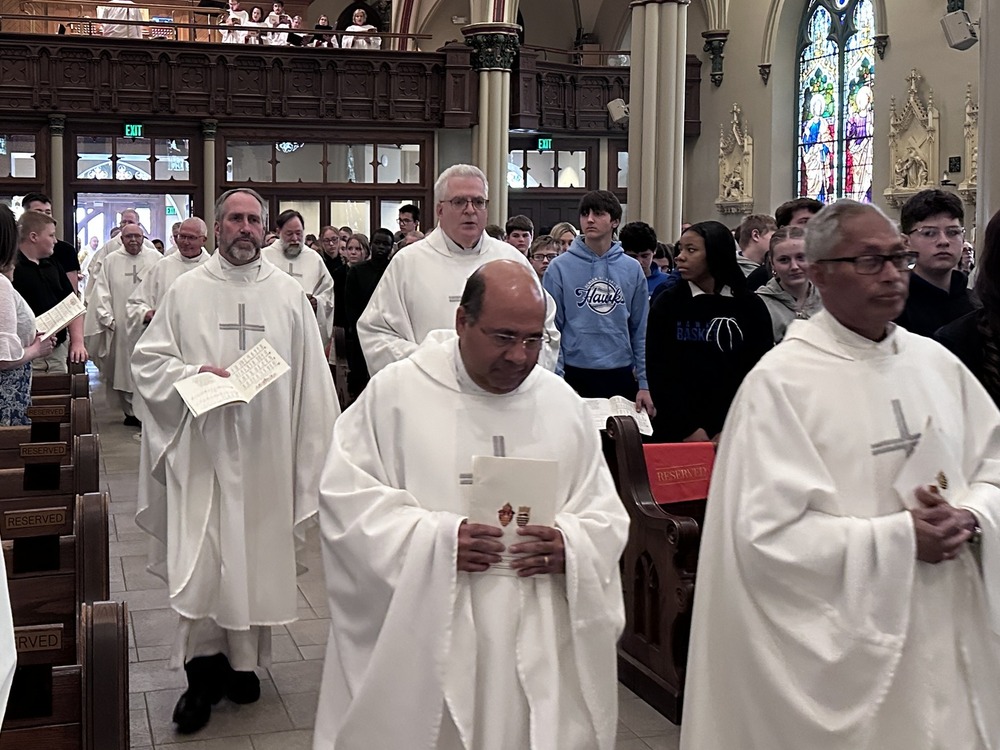 “When you think about it, when do they have time to talk about really important or deep things that are going on?” Bloch said. “Most of the time, they’re gathered together, it’s work related or they need to learn something. Sometimes it’s the beautiful things like ordinations but it’s not the time for a small safe group to really talk about what’s on their heart.” She said the recent research study on priest loneliness and Pope Francis’ comments on the study note that “the number one way to prevent loneliness in priests is time with other priests.”
“Times have certainly changed and that has, I think, created some of this. They call it the Loneliness Epidemic,” the director explained. “It’s critical that we do what we can to provide opportunities for connection and that’s what this does.”
Bloch said the priests expressed they see the value in spending time together and find it meaningful and important and helps them in their ministry. They also expressed their gratitude to the diocese and bishops for recognizing their mental wellness needs and concern for their emotional well-being.
“These gatherings also promote emotional, spiritual and physical well-being while helping prevent isolation and burnout. Priests are then strengthened to serve the diocesan faithful in good health, joy and renewed commitment,” Father Pick stressed.
Bloch said she believes the wellness program can help prevent mental health issues such as loneliness leading to depression.
“Mental health and mental wellness affect everybody. I think it would be really foolish of us not to provide that support and opportunities for mental wellness,” She said.
Outside interest
Other dioceses are hearing about the Clergy Wellness program and have shown an interest in replicating it for the health of their own priests.
“I have had conversations with other dioceses in the midst of pastoral planning. When questions are asked about changes in the diocese and the added stresses that clergy are dealing with today with low numbers to minister to parishes and the people, they also ask are you doing anything for clergy wellness?” Deacon Prosser said.
He also has been contacted by dioceses specifically looking for information on the wellness sessions, separate from pastoral planning conversations.
“I talk about the development of the program, how we do it and the parallel service to retired priests that Deacon John Rudd (liaison to retired priests) does, which is all part of wellness,” the deacon explained. “I’ve found that a lot of dioceses don’t have that but they are certainly looking at it and there’s been a lot of interest in how we do that.”
The USCCB also reached out to Bloch asking about the wellness initiative.
“They’re starting to gather (information on) who might be doing things for clergy wellness because they’re starting to recognize how important that is,” she said. “I think our diocese is leading that effort and we should be really proud that we are doing that for our clergy.”
Topics
Bloch said that she, Nate Phillips of the Sioux City office and Darla McEnroe, supervisor in the Fort Dodge Office plan the sessions and determine who will present each session. The priests regularly offer feedback on the program.
“We ask throughout the year what topics that they think would be beneficial to help with their mental, physical and emotional wellness that would help them in being a priest for the diocese,” she explained.
Topics for the 2026-27 sessions for the active priests include- Leading through tension: Conflict resolution for clergy
- Physical and mental wellness
- Healthy relationships, healthy ministry
The retired priests will have a physical and mental wellness session as well as Finishing the journey: Reflection on death, dying and eternal life.
Many times, the therapists offer strategies for situations such as conflict resolution and setting boundaries.
“It’s not necessarily here’s some brand new things nobody’s ever thought of but reminding them these are some things you can do. Or remember you used to do this and it was helpful so maybe you need to get back on track with that,” Bloch said.
HOME