
Search
Reflecting on possible end of Sioux City Catholic hospital era
-
 July 3, 2025By RENEE WEBB
Content and Design Coordinator
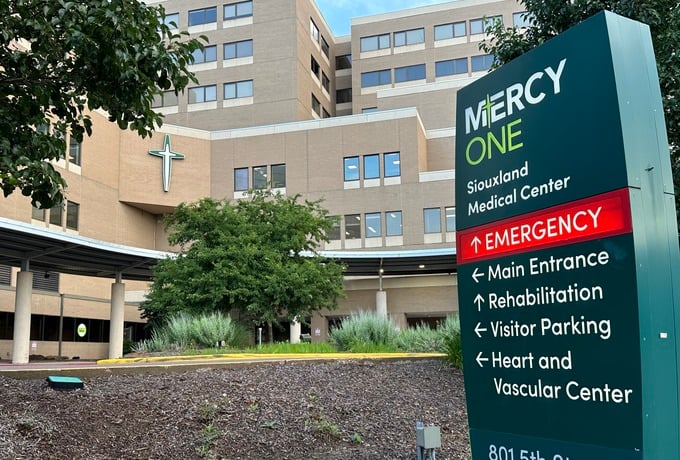
In late May, it was announced that a letter of intent was signed by the two hospitals in Sioux City for UnityPoint Health to acquire MercyOne Siouxland Medical Center.
If that acquisition comes to fruition, it will mark an end of an era for Catholic hospitals in the city that has served numerous communities in the tri-state area.
The roots of MercyOne Siouxland date back to 1890 when the Sisters of Mercy were asked to establish a hospital in Sioux City. For the last 135 years, the community has been served by at least one Catholic hospital.
Longtime Catholic healthcare workers reflect
In the 43 years Martha Burchard, a graduate of St. Vincent’s School of Nursing, worked in healthcare in Sioux City she saw various mergers and name changes.
Initially, Burchard worked for a number of years in the emergency room at St. Vincent’s
before that Catholic hospital merged with St. Joseph’s Hospital to form Marian Health Center which later was renamed Mercy Medical Center, followed by MercyOne Siouxland in 2019.
“A lot of change can be difficult to go through, but it all went well,” she said.
With her work in the emergency department and eventually offering oversight to the child advocacy center, Burchard noted she would see people during great times of need but “there was always the sense of keeping an eye on their spiritual needs as well. If they needed their priest or pastor called, they were called.”
Acknowledging these things do happen in other hospitals too, but the Catholic community always seemed to be well connected and had a comfort level of praying together.
Dr. Gerald McGowan, a retired family physician and one of the founders of a family practice residency program for physicians that continues today, worked for nearly 55 years in Sioux City and from the beginning joined a practice with well-respected Catholic doctors.
Catholic hospital history
A native of Sioux City and graduate of Bishop Heelan High School, he pointed out that in his early years of practice nuns ran the Catholic hospitals in Sioux City.
“At that time, the nuns were administrators and I got along very well with them. A lot of physicians were also Catholic,” said Dr. McGowan, who through the years he was affiliated with both Mercy and UnityPoint. “I really appreciated having a Catholic hospital to go to and practice in. I think it will be missed.”
Faye Vitito, who also attended nursing school at St. Vincent’s, worked outside the area for a time moving back to Sioux City in 1967 and working in the operating room at St. Vincent’s.
After a 50-year career in nursing, she retired in 2005 so she also worked through the merger of the two Catholic hospitals.
“Coming back and working at a Catholic hospital, I never had to worry about if there would be procedures done that would not be in accordance with my Catholic beliefs,” she noted.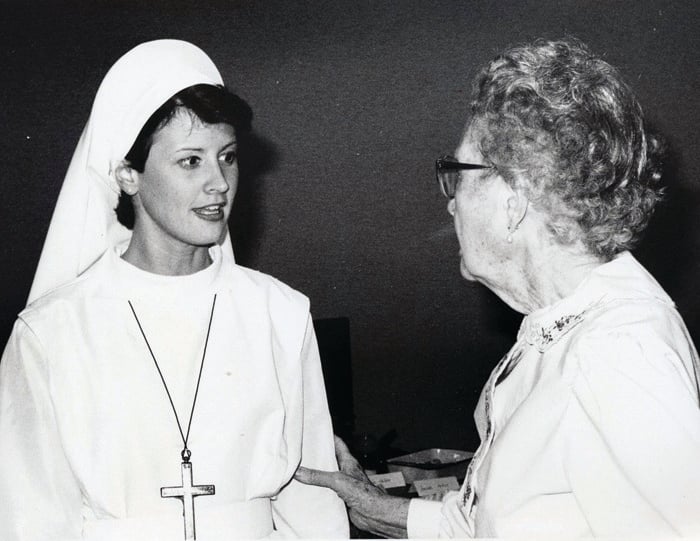 Plus, there was something special about the Catholic environment as a whole. At the nursing school Benedictine sisters taught the classes and many worked alongside them on the floor as they were student nurses.
Working at Marian Health Center and Mercy, Vitito recalled how she often tried to take her lunch break at noon so she could make it down to the chapel for Mass. Access to the chapel, she noted, was important for employees, patients and their families “because they could sit and talk to the Lord, a nice reprieve.”
Given that the Catholic environment meant so much to her, the thought of losing the Catholic hospital in Sioux City does sadden Vitito.
Verna Welte, who earned a bachelor’s degree in nursing from then Briar Cliff College in Sioux City, worked a number of years at St. Vincent’s and continued at Marian Health until retirement in 1997. She also taught at the school of nursing and worked in administration.
“God was good to me, I fell in the right place at the right time,” she said, adding that her work in Catholic healthcare was a blessing.
Welte mentioned the Methodist and Lutheran hospitals merged into St. Luke’s not long before the Catholic hospitals did so.
“The merger (into Marian Health Center) for us had been a good thing. We built the new hospital and expanded our programs,” she recalled.
One of the benefits of working at a Catholic hospital was that they followed church directives, had religious sisters among the co-workers and had a faith-filled environment. Reflecting on those days, she acknowledged that was just how many people lived in all parts of their lives at the time.
Catholic input
Dr. Michael Jung, a family physician with Family Medicine Center and professor with the residency program, noted that through the years Mercy had an ethics committee with input from physicians, priests and ethicists that followed the ethical and religious directives for Catholic healthcare institutions.
He pointed out that he not only served on ethics committee at Mercy but did so at UnityPoint. In the last 10 years or so, Dr. Jung mentioned there have been changes at both hospitals and he believes the facilities currently have fairly similar ethical standards.
“The majority of physicians do practice at both hospitals,” he said.
In the end, many of these long-time healthcare professionals said this acquisition comes down to a business/management decision – not a religious decision - at a time when both Sioux City hospitals are facing some stressors.
“We are kind of a bedroom community of Omaha and Sioux Falls. As they have gotten bigger and stronger, it changed our dynamics so we weren’t able to keep both of our hospitals strong,” said Dr. Jung, who noted that the advent of surgery centers in the region also impacted the financial viability of the local hospitals.
Dr. McGowan mentioned another factor that may have impacted the strength of Mercy. He questioned if the remoteness of the Catholic hospital’s current parent company left the local hospital without the necessary support.
“I don’t think they paid a lot of attention to Sioux City,” he said. “We were just too far away and kind of off by itself.”
Because there is such a Catholic presence in the area, Dr. McGowan said he thinks many would prefer to keep a Catholic hospital.
“I am hopeful there still can be a Catholic presence of some kind through a chapel or a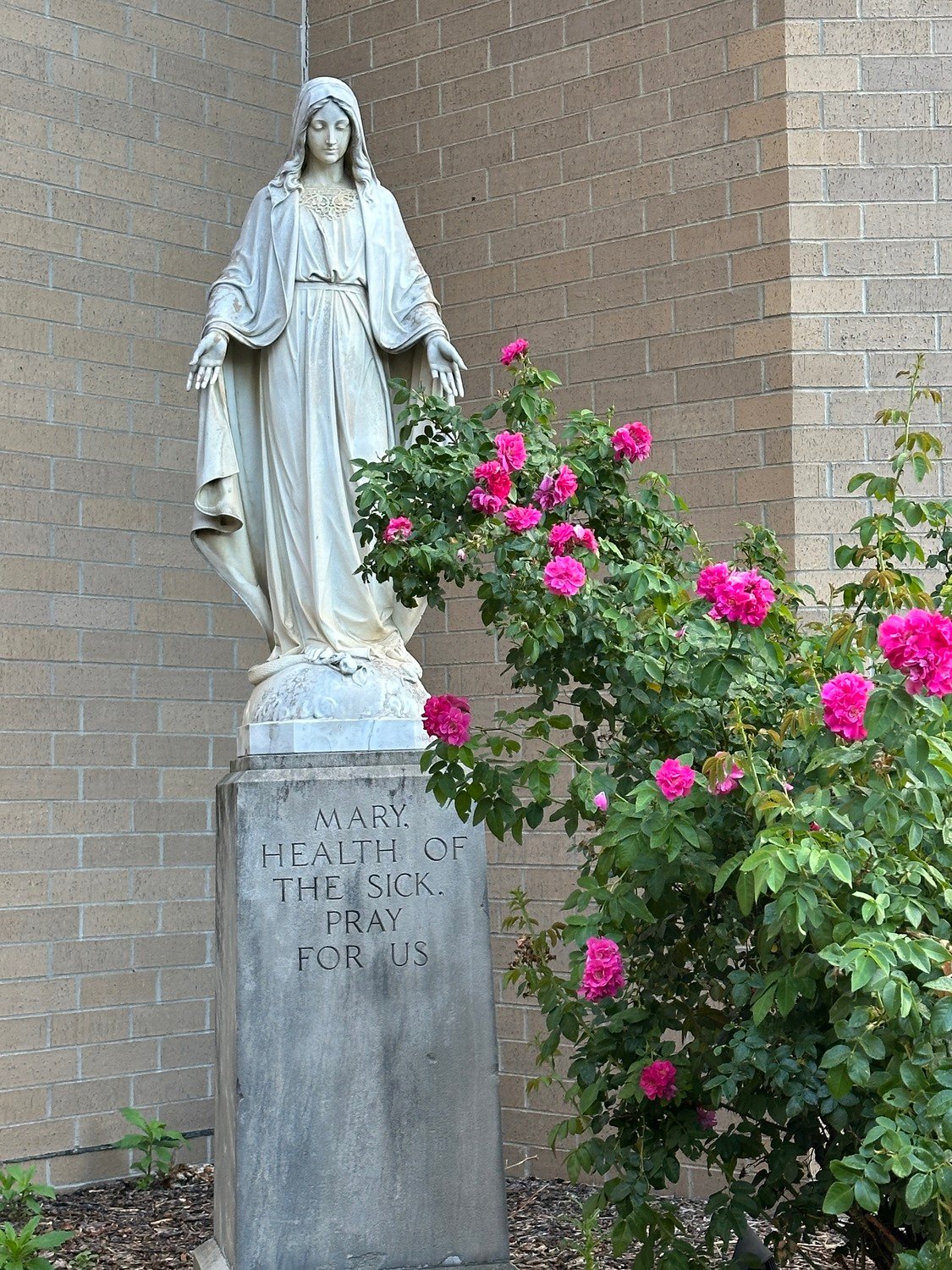 Catholic ministry of some kind,” said Burchard. While she is aware Catholic priests do make visits to UnityPoint, she would love to see it enhanced. “I’m not sure how that would look, but I’m hopeful.”
Burchard is convinced that there are many things both hospitals are diligently working on to make things go smoothly for both the employees and patients.
If this acquisition is successful, she is hopeful the community will be able to recruit more physicians and specialists to enhance Sioux City’s care capabilities.
“We don’t have the doctors or the specialists we used to have,” added Welte. “It has changed dramatically in the 25 years that I have been retired. I’m not sure what got us to this point.”
Dr. Jung said he has no reservations about the quality of care for patients should this acquisition take place.
“If anything, it might help improve the financial stability of the hospital so that they can provide better services and maybe eliminate some duplication that would affect their viability as well,” he said.