
Search
-
 July 18, 2025By DAWN PROSSER
Director of Communications
“Natural Family Planning (NFP) is a great way to strengthen your relationship in your marriage and learn about your body so you can appreciate it, how it works and how beautiful that is to create life,” said Suzanne Schneider, NFP practitioner from Madrid and Ascension Parish member.
July 20 kicks off national NFP Awareness Week in the United States. The United States Conference of Catholic Bishops points out that the church supports NFP and its methods in marriage.
“NFP represents the only authentic approach to family planning available to husbands and wives because these methods can be used to both attempt or avoid pregnancy,” from the USCCB NFP website.
Karmen Bower, diocesan director of faith formation, noted that NFP Awareness Week is an annual reminder of the church’s approved methods as it “affects every single married couple.”
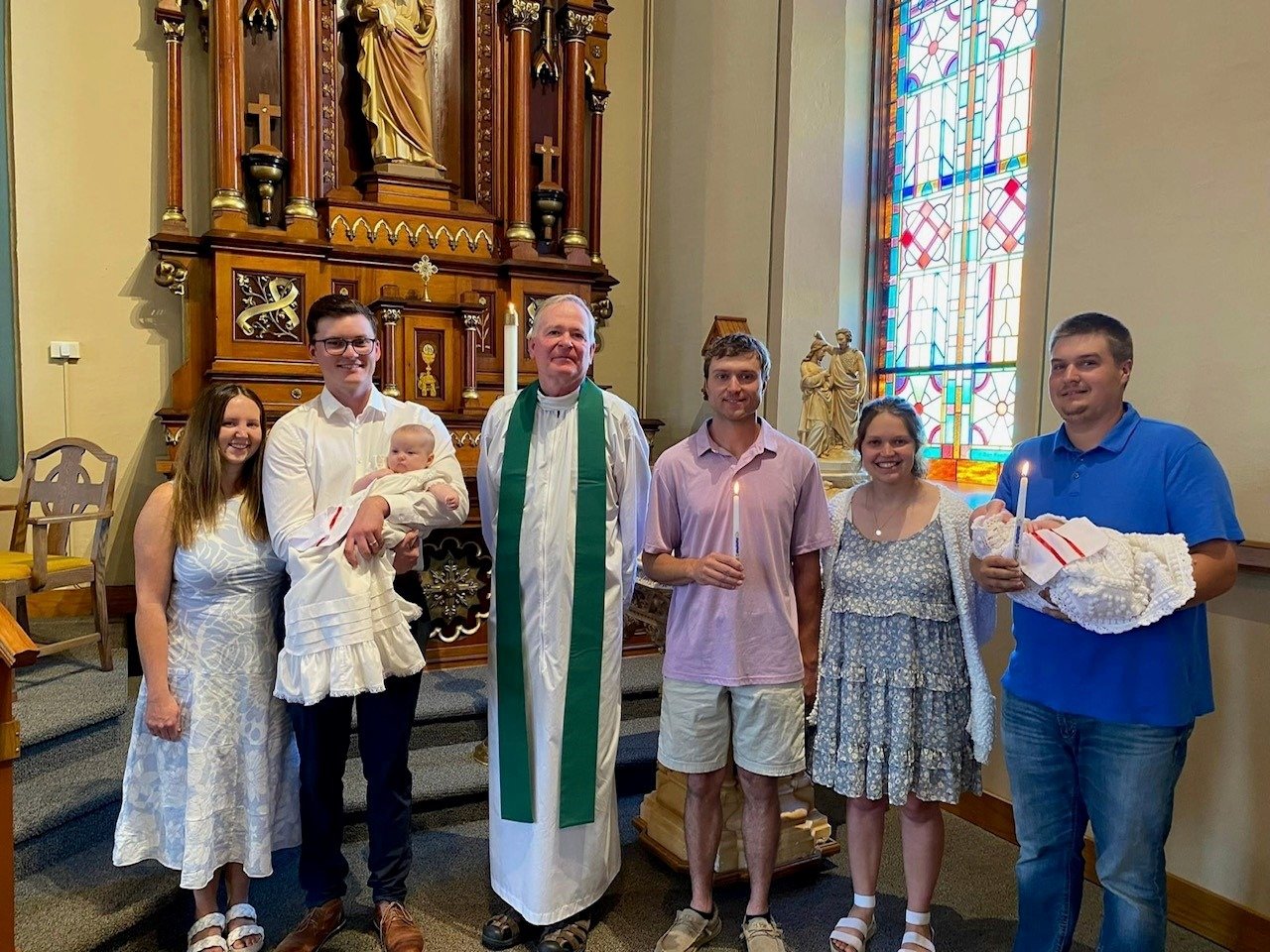 Father Paul Kelly baptized two infants in his parish in this file photo.“It’s our job as a diocese and our Office of Faith Formation to help form people, to understand the church’s teaching and then be able to live it out and have the tools necessary to do so,” the director said, noting it’s an opportunity to remind parishioners of the abundance of resources available through the church.
Bower explained that NFP has been incorporated in the diocesan marriage preparation process for many years. To assist priests and deacons preparing couples for marriage and helping them access NFP resources, the Office of Faith Formation created a landing page – scdiocese.org/nfp with information and videos in English and Spanish.
“People will find out this is much more about resources, not so much the theology. We will expand on that in the future,” she said. “On this page they will find out about local options. We are very blessed to have several people who are trained to teach NFP and walk alongside p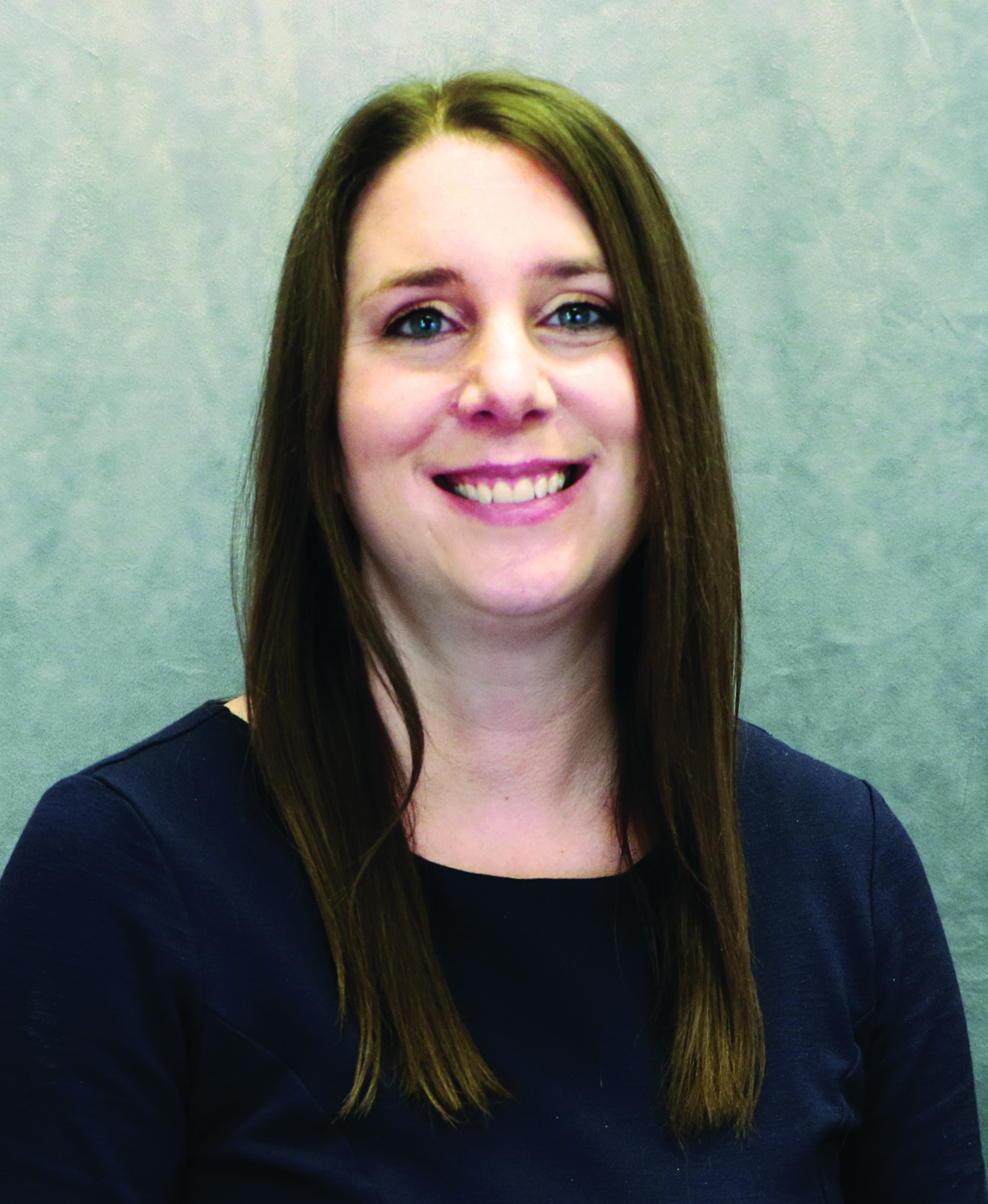 Karmen Bowereople as they learn to read their bodies and understand their bodies, especially in the Creighton Model and Marquette Method.”
Couples exploring the options on the site will also find contact information for practitioners within the diocese of Sioux City, including Ashwood FertilityCare Center offering the Creighton, where Schneider is affiliated.
Schneider, who teaches the Creighton Model, said about half of her clients are newlyweds who reached out to her to learn the NFP system, while the other half are “couples who have had some sort of issue.”
She said she and her husband sought out an NFP practitioner early in their marriage as they had difficulty conceiving.
“We weren’t able to conceive right away and started to get concerned. By the grace of God, we ended up conceiving,” she explained. “After having the first child I knew I didn’t want to not know what’s going on with my body ever again. We didn’t know anything.”
The couple worked with a practitioner in Ames for a year and a half before the practitioner moved to Kansas City. She alerted her clients and encouraged them to consider receiving training as an NFP practitioner. Trained as a physical therapist assistant, Schneider decided to learn more and become trained through the Omaha St. Paul VI Institute.
Working with a practitioner
Couples can expect to meet with their practitioners for an hour when learning the various methods. Schneider said she generally has four to eight follow-up sessions to help couples “really grasp the system and how it works.”
“We give them manuals and recommend chapters to read before the next meeting and then we do educational tools to check their understanding and learning how to use it and apply the system,” the practitioner said.
At first, most couples met with their practitioners in person. However, Schneider said gradually it grew to 90% of her visits online, which is helpful for busy young families.
Bower said virtual learning for NFP started a few years ago and now there are multiple options for online sessions for the convenience of the couples.
“When virtual learning first started several years ago and how it adapted through COVID, I would not hesitate for a moment to recommend the online classes because the quality has increased significantly,” she said.
Once couples engage in an NFP method, they are impressed with what they learned about their body and how it works that they hadn’t learned previously, Schneider shared.
 Suzanne Schneider, NFP practitioner“Most women say I never learned this – we should have this in our basic health class,” the practitioner said. “Unfortunately, we wait until later in life and figure it out.”
The faith formation director said she would like to see young women learning more about their bodies and fertility through the lens of church teaching earlier in their lives. She suggests education could begin around the time girls enter puberty.
“It’s a gift to understand their bodies. It’s a gift to know that they were created for good,” Bower stressed. “If we can start even younger, helping girls, adolescents and teens to really see the gift that is the way they were created, then hopefully by the time they enter into that season of engagement, they can really see their bodies and fertility as being beautiful.”
By learning NFP and properly applying the methods, couples can also ensure that they are following what the church teaches throughout their marriage. Although some couples approach parenthood without NFP while remaining open to life, most use the system to track cycles and know when to abstain to avoid pregnancy, the director pointed out.
“The church calls us to be open to life in order to have a valid marriage,” Bower explained. “During the vows, the couple says they are open to life and NFP allows them to be open to that promise at the same time … if they are really intending to keep the promises they make on their wedding day, then it’s a tool they really ought to know how to use.”