
Search
Naloxone to be made available to parishes, schools
-
 February 20, 2026By DAWN PROSSER
Director of Communications
Parishes, schools and other diocesan locations will soon have access to a tool that can save lives in and around their properties. Diocesan entities will be able to purchase naloxone nasal spray to have at their locations. Naloxone is used to reverse opioid overdoses quickly and effectively.
Reviewing a recommendation from the American Medical Association (AMA), Deacon Mark Prosser, Bishop John Keehner’s chief of staff, began investigating the possibility of having naloxone available at diocesan sites.
“The AMA recommended that due to increased opioid overdoses, that naloxone or a similar product be maintained wherever there’s an AED in public,” he said, noting he had familiarity with the product when previously working in public safety.
Naloxone is safe and easy for members of the public to use – medically trained or not - in the event of a suspected opioid overdose.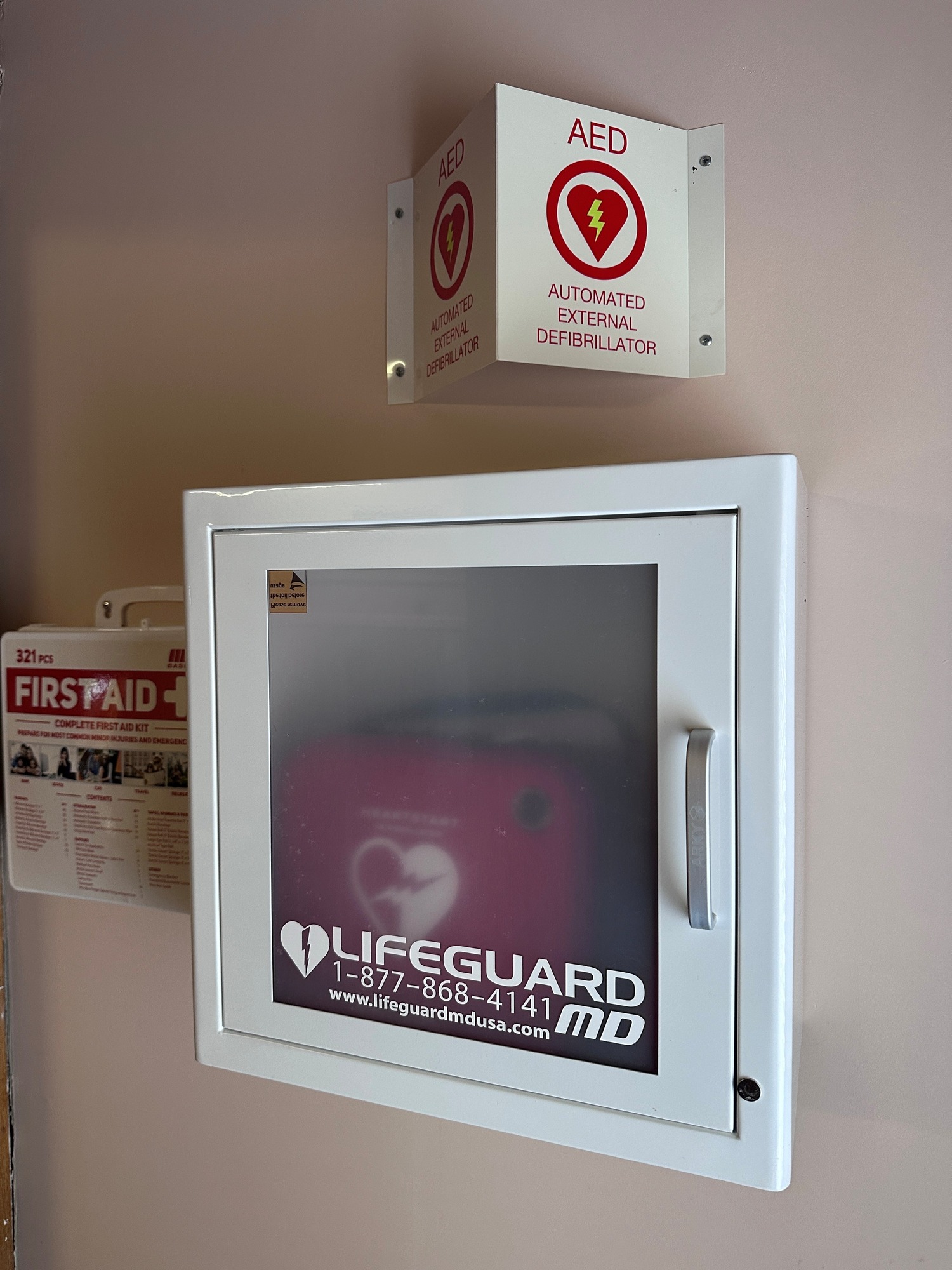 The AMA recommends that naloxone be stored in every public AED case.“It used to be you had to have some training on that and emergency medical services oversight, but now it’s a nasal spray and very simple to use,” Deacon Prosser said. “The product saves lives. I’ve personally witnessed its use. It’s just very easy to work with. It’s a matter of a single shot spray into a nostril.”
Deacon David Penton, paramedic for the Clear Lake Fire Department and formation coordinator for the Office of the Permanent Diaconate, agrees that naloxone would be very useful to have available for anyone to render aid to someone who is unconscious.“The medication is so benign that you can give it to someone who doesn’t need it and it doesn’t hurt them. But if you give it to someone (who has overdosed), it helps them tremendously.” - Deacon Dave Penton, paramedic
Deacon Prosser said he first thought of purchasing naloxone for the Central Catholic Offices as “we do deal with some individuals that might have substance abuse and other types of addictions from time to time that come to the office.” Also, the cost would be very affordable.
After additional research and knowing that parishes and schools host numerous public events, he realized naloxone accessibility would be useful throughout the diocese. The deacon approached Bishop Keehner and different diocesan committees and departments for feedback on providing a convenient way to purchase naloxone and they all agreed it would be beneficial.
“I subsequently found out that some of our schools already have it in their facilities and I was glad to hear that,” he said.
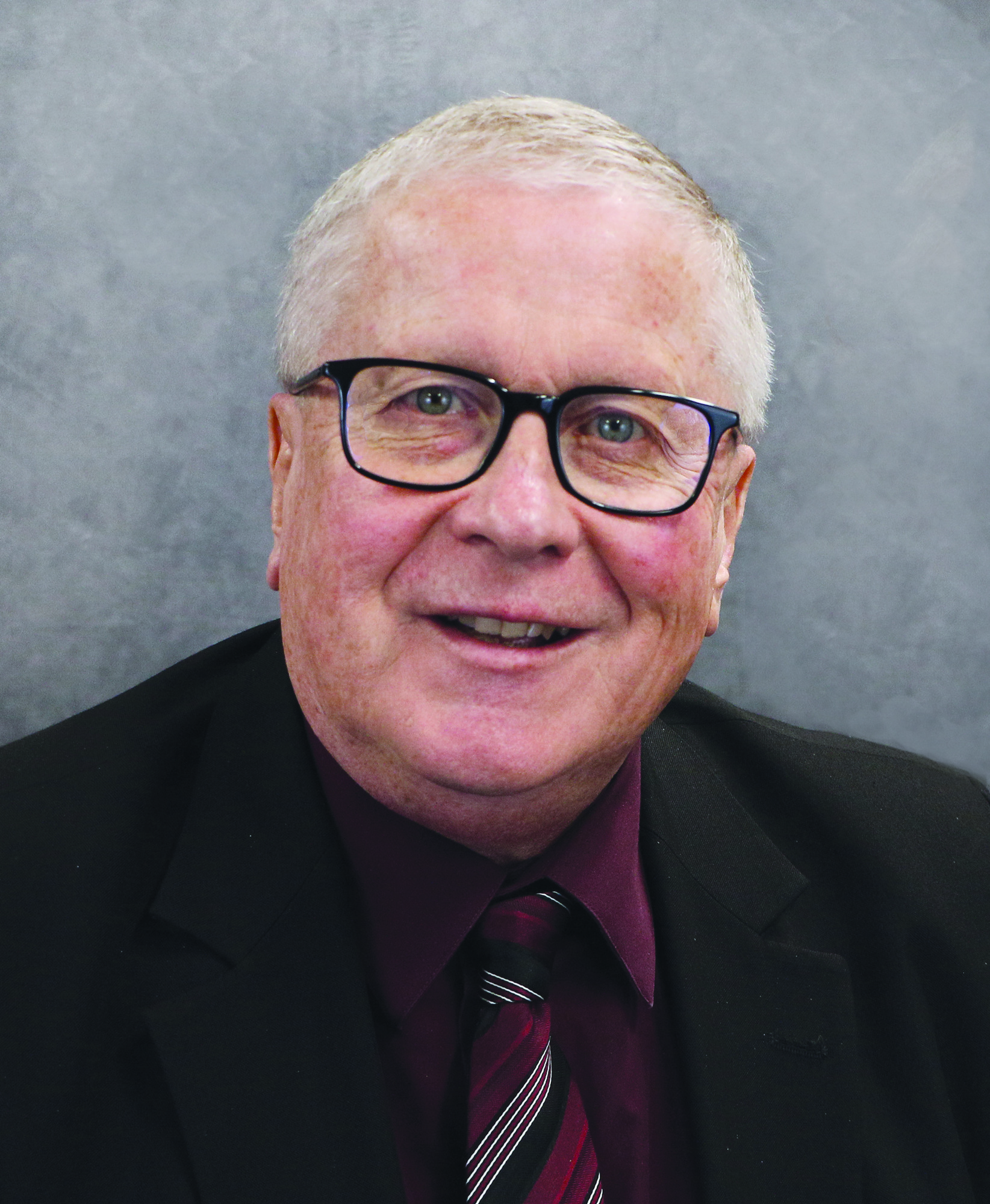 Deacon ProsserResearching drug companies that could help diocesan sites access naloxone, Deacon Prosser found a company that was interested in working with the diocese to make it easy for parishes and schools to purchase and at a special rate.
Deacon Prosser pointed out it is not mandatory for the sites to purchase the drug if they choose, but the diocese will make it very easy to purchase for their AED cabinets.
“We’ll recommend that wherever they (will have naloxone), that they have at least two boxes because that will give them four doses,” he said, adding that the shelf life is about four years for the product.
Need for naloxone
Living in a relatively rural diocese, some residents may not realize the prevalence of opioid overdoses in northwest Iowa. The Iowa Department of Public Safety reported that in 2024, there were 172 opioid-related deaths in Iowa with 73 from fentanyl.
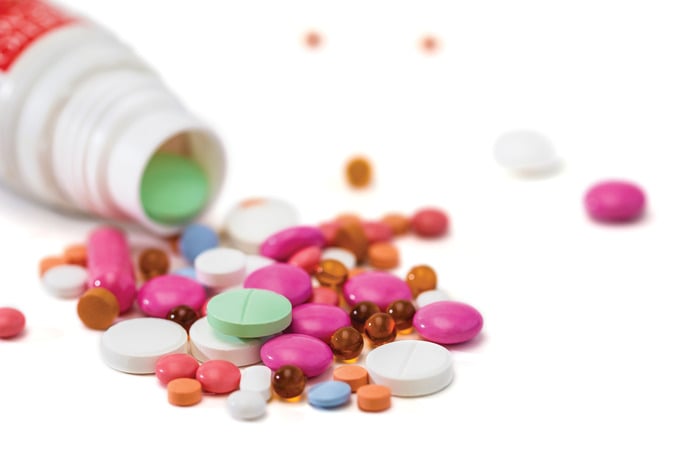
Both deacons pointed out that opioids are pain medications that are often prescribed by a physician and the majority of overdoses are unintentional. The drugs include oxycodone, codeine, hydrocodone, morphine and many others.
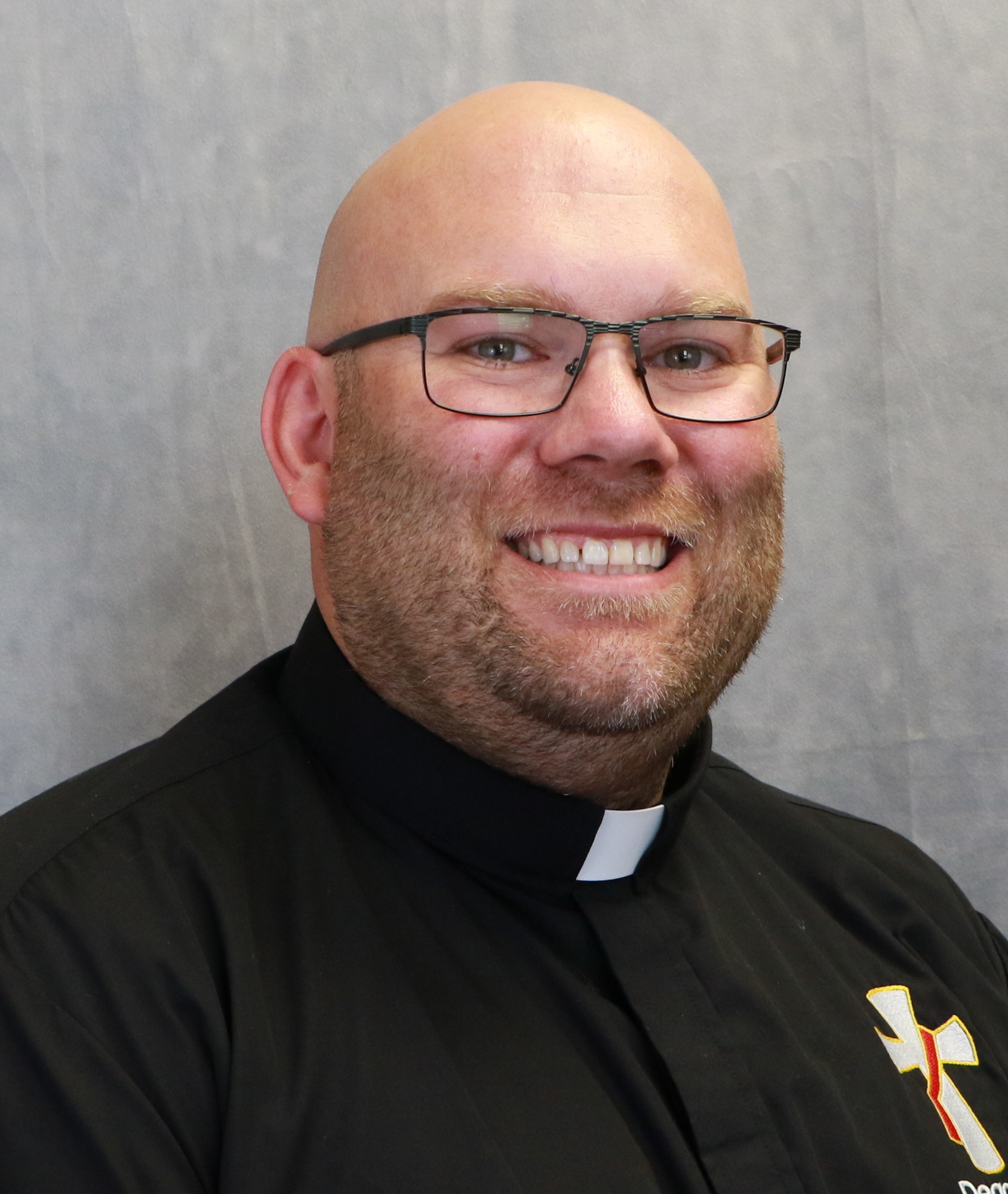 Deacon Penton“We’re not talking about illegal substances like fentanyl or heroin. People often overdose on their own prescriptions. They may think, ‘I’ve got this pain,’ they take a prescription, can’t remember if they’ve taken it and they take it again and people often overdose,” Deacon Penton said.
The paramedic said a person may mix antianxiety medication with an opioid which can also cause an unintentional overdose. The Clear Lake ambulance service where he works part-time carries six doses of naloxone in each ambulance.
“If I was still working full-time (as a paramedic), I’d give it once a week,” he added. “If someone is unresponsive but has a pulse, we can check a couple of things – have they had an overdose, are they diabetic or had a stroke. We give that naloxone right away. It’s a great diagnostic tool.”
Both deacons pointed out that naloxone acts quickly but multiple doses are often needed until the patient can be transported to a hospital. Also, administering naloxone does not negate the need to call 911 for emergency services.
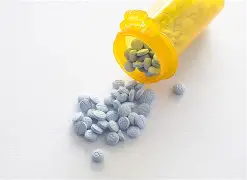 Opioids overdoses are often from legal prescriptions.“You should have a minimum of three doses to apply to an individual because they might regain consciousness for a few minutes and then go unconscious,” Deacon Prosser said. “So, it doesn’t cure, it stabilizes until emergency medical personnel are on scene to continue care.”
Due to the effectiveness and accessibility, and benign effect on someone who has not overdosed, Deacon Penton said he was asked to bring naloxone to Guatemala on a recent mission trip. He said it was the number one requested item.
He said he is pleased to learn the diocese is helping to make the drug available in more places in order to help someone in need.
“It’s a tool that should be everywhere …It is absolutely incredible and so cost effective. It’s an invaluable tool to have,” he said. “If people know it’s in churches, schools, wherever if they are within the block, they can go and get it. It’s an awesome thing.”
HOME